What sort of license and insurance do I need for driving large vans in BC?

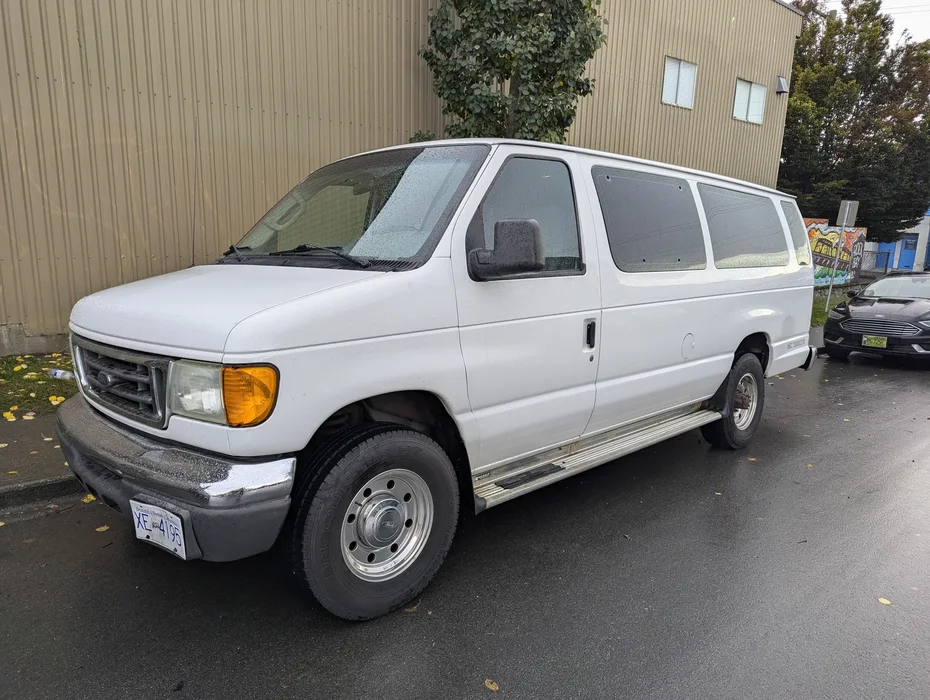
The Victoria Ska and Reggae Society rents passenger and cargo vans for events, tours, festivals, and community use. One of the most common questions we get is:
“Do I need a Class 4 licence to rent or drive one of your vans?”
Often, no — but it depends on how the van is used.
Unlike standard commercial rental agencies that enforce rigid, frame-based licensing requirements, we manage our fleet allocations strictly by Operational Capacity, in perfect alignment with BC Ministry guidelines and ICBC regulations. In British Columbia, a Class 5 driver may operate a passenger vehicle or van as long as the total headcount does not cross the provincial "bus" threshold. By strictly enforcing an internal passenger limit of a maximum of 9 occupants total (1 driver + 8 passengers), we ensure our rentals remain entirely within standard, non-commercial personal vehicle parameters.
In British Columbia:
-
A Class 5 driver may operate a larger van for non-commercial use as long as there are no more than 9 people in the vehicle (including the driver).
-
Transporting 10 or more people, or any passengers for hire or compensation, requires a Class 4 licence, regardless of the vehicle.
Quick Take (TL;DR)
-
You do not need a Class 4 licence just to rent one of our vans
-
Class 5 is allowed for non-commercial use with up to 9 people total
-
10 or more people, or any paid passenger transport, requires Class 4
-
Licence rules are based on actual passengers + purpose, not seat count
-
Many rental companies apply stricter policies than BC law requires
Our guide explains vehicle licensing rules in British Columbia, including cars, vans, and small buses. While examples reference vehicles rented through an organization, the rules apply broadly across BC.
Disclaimer: This is a guide only, not legal advice. BC laws and insurance rules can be complex. If you are unsure, contact ICBC, or your insurance provider. We are not responsible for any misinterpretation or application of this information.

1. Driver Licensing and Passenger Limits
Class 5 – Standard Passenger Vehicles
-
Covers cars, SUVs, and vans carrying up to 9 people total (driver + 8 passengers).
-
Perfect for personal, volunteer, or organizational trips.
-
You can tow small trailers as long as it’s within legal limit
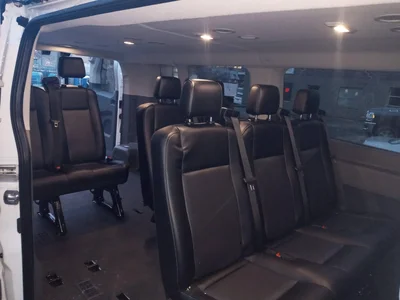
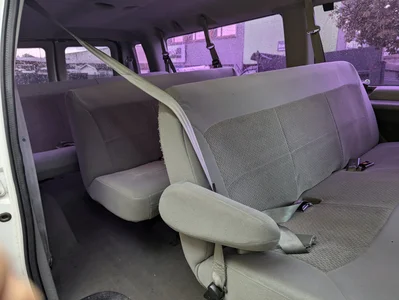
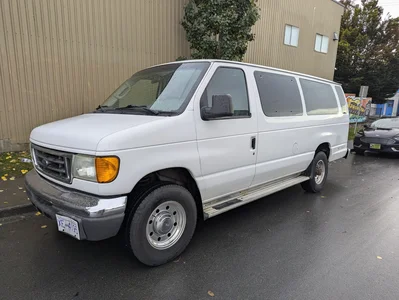
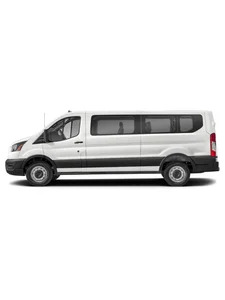
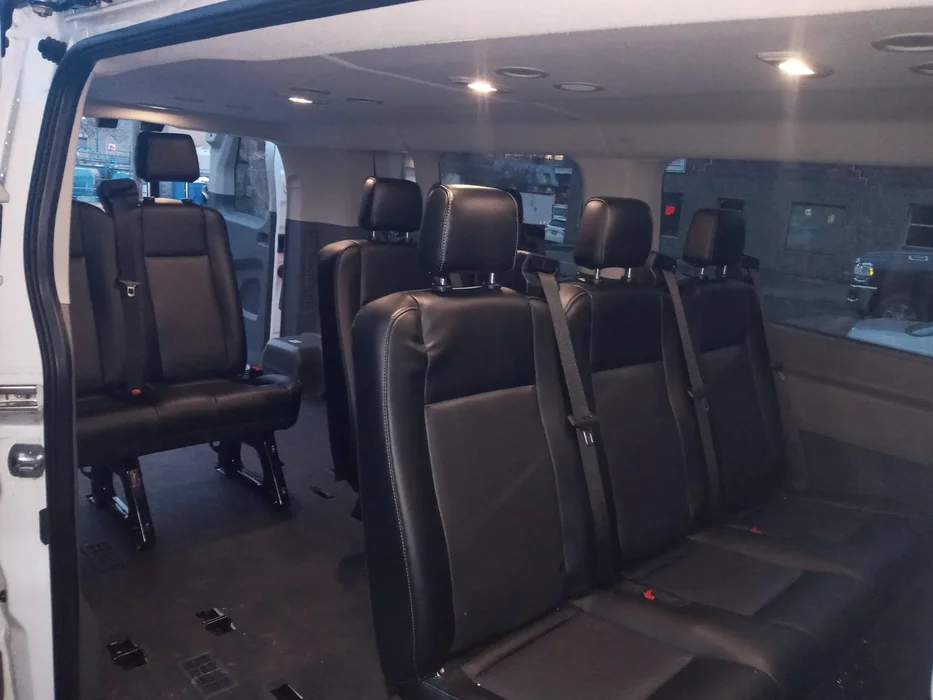
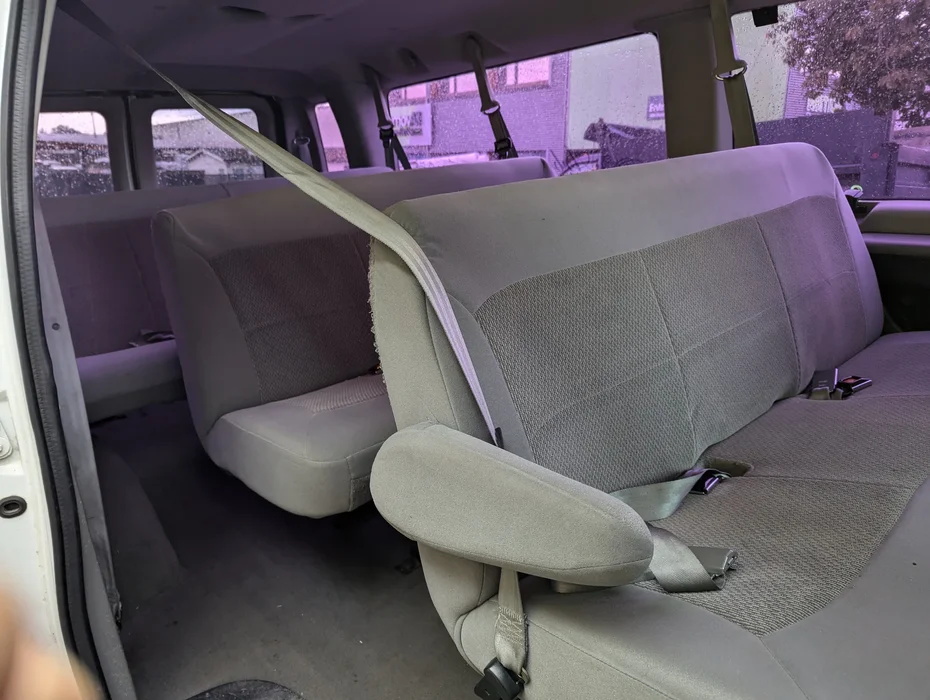
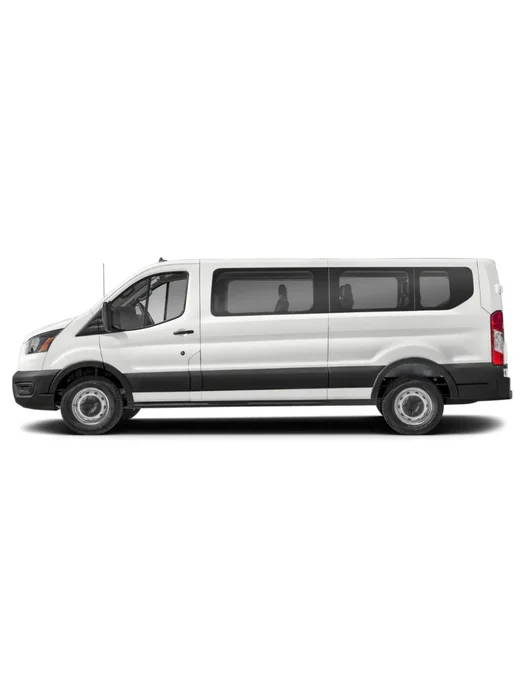
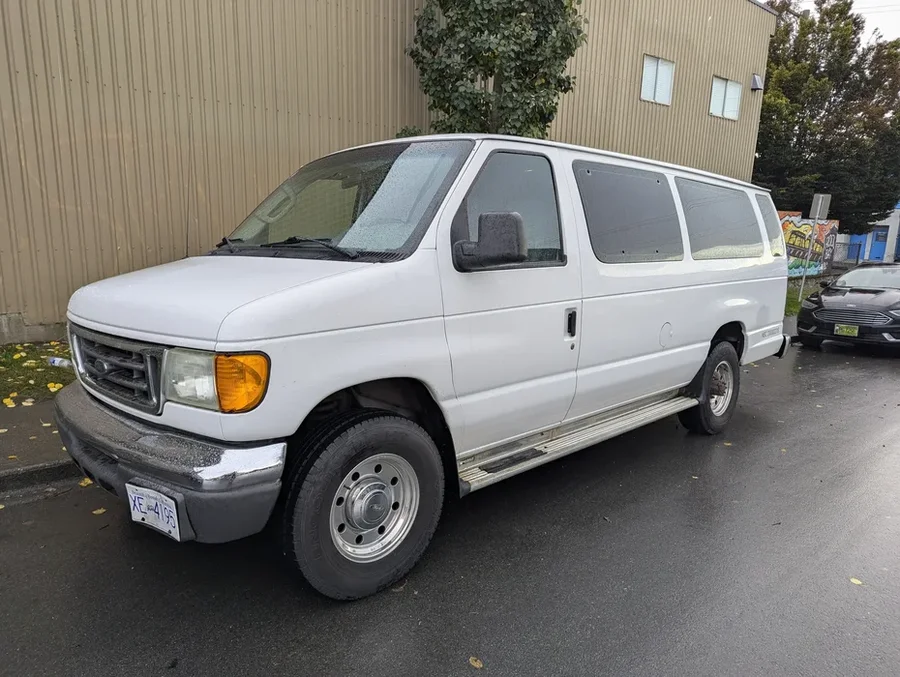
10–15 Passenger Capacity Van Frame
-
For private, non-commercial use, a Class 5 licence works perfectly if you have 9 or fewer total people in the van. Under provincial guidelines, enforcing a 9-person maximum ensures the trip stays cleanly outside of commercial bus classifications.
-
The licence requirement depends on how many people you’re actually transporting, not just how many seats the van has.
Note: Many big rental companies won’t rent these sized vans without a Class 4 licence. Whereas for us your class 5 is fine when use is non-commercial and passenger limits are respected.
Class 4 – Commercial Vehicles
-
Required for drivers transporting passengers for hire or fee, regardless of how many people are in the vehicle.
-
Covers small buses and larger vans used commercially.
-
Ensures drivers meet stricter safety, medical, and training standards.

2. Commercial vs Non-Commercial Use
-
Non-Commercial / Private Use:
-
Transport is purely personal, volunteer, or organizational, without charging passengers (e.g., moving volunteers, performers, staff, or equipment).
-
Being a non-profit society supports non-commercial status but does not guarantee it if any compensation or fare is involved.
-
Class 5 license sufficient if passenger limits and insurance coverage are respected.
-
Commercial Use:
-
Transporting passengers for hire, fee, or any form of compensation, including tickets, donations tied to rides, or bundled event payments.
-
Requires Class 4 license for drivers and a passenger-transportation licence for the operator.
-
Applies regardless of passenger number.
Bottom line: Commercial status is determined by actual passengers + compensation/fare, not seat count. If unsure, treat it as commercial and ensure appropriate licensing and insurance.

3. Vehicle Safety and Legal Requirements
-
All vehicles must meet BC’s Motor Vehicle Act standards.
-
Seatbelts are required for every person actually riding.
-
Never exceed the manufacturer’s seat count — for safety and keeps insurance valid.
-
Drivers are responsible for obeying traffic laws; tickets and violations are their responsibility.

4. Insurance for Rentals
General BC Guidance
All vehicles in BC must carry basic ICBC coverage. When renting a vehicle, most people use ICBC Rental Vehicle Coverage, which covers:
-
Third-party liability
-
Enhanced accident benefits
-
Under-insured motorist protection
-
Collision, comprehensive, and loss-of-use for the rental vehicle
This coverage can be purchased per rental or for multiple rentals throughout the year via your Autoplan broker. (ICBC Rental Vehicle Coverage)
Key point: Anyone renting a vehicle must have valid insurance. ICBC Rental Vehicle Coverage is the standard and straightforward way to meet this requirement.
U-Drive Insurance
-
U-Drive insurance applies at the vehicle-owner level, not the driver level.
-
It allows an organization to insure a vehicle used by multiple authorized drivers.
-
U-Drive does not replace personal rental vehicle insurance for the driver.
For renters:
-
Personal rental vehicle coverage is not strictly required to rent a vehicle, but it is strongly recommended for drivers.
-
Drivers are responsible for ensuring they are covered for liability and vehicle damage while operating a rental vehicle.
-
For most people, ICBC Rental Vehicle Coverage is the simplest option.
-
If you already have ICBC RoadStar coverage, rental vehicle coverage may be included automatically.
-
If unsure, confirm your coverage with ICBC or your insurance provider before driving.
Checklist for Renters
Before driving, ensure:
-
You are an authorized driver under the rental agreement
-
You hold the appropriate license for the vehicle and intended use
-
You have valid insurance (ICBC Rental Vehicle Coverage or equivalent)
-
You know what happens in a crash: your insurance covers liability and vehicle damage

5. Quick Reference: Passengers, Licenses, and Use
|
Vehicle Type |
Passengers (actual people) |
License Required |
Commercial Use? |
Notes |
|
Car / SUV |
≤9 |
Class 5 |
No |
Standard private use |
|
Van (10–15 passenger capacity) |
≤ 9 |
Class 5 |
No |
Allowed on a Class 5 only if the headcount stays at 9 or fewer. |
|
Small Bus / Shuttle |
up to 15 |
Class 4 |
Yes |
Always Class 4 for commercial transport |
Safety note: Always ensure seat count matches manufacturer limits for insurance and legal compliance.

6. Summary Tips
-
License requirements = actual passengers + purpose, not just seat count.
-
Commercial transport = Class 4 license, regardless of passenger number.
-
Seat count matters only for safety and insurance compliance, not license class.
-
Non-profit status may support non-commercial use but does not guarantee exemption if any compensation or fare is involved. When in doubt, contact your insurance provider or regulatory authority.
-
Following these rules keeps drivers, passengers, and organizations safe.